
The Benefits of Having a Mobile LED Screen at your Outdoors Event
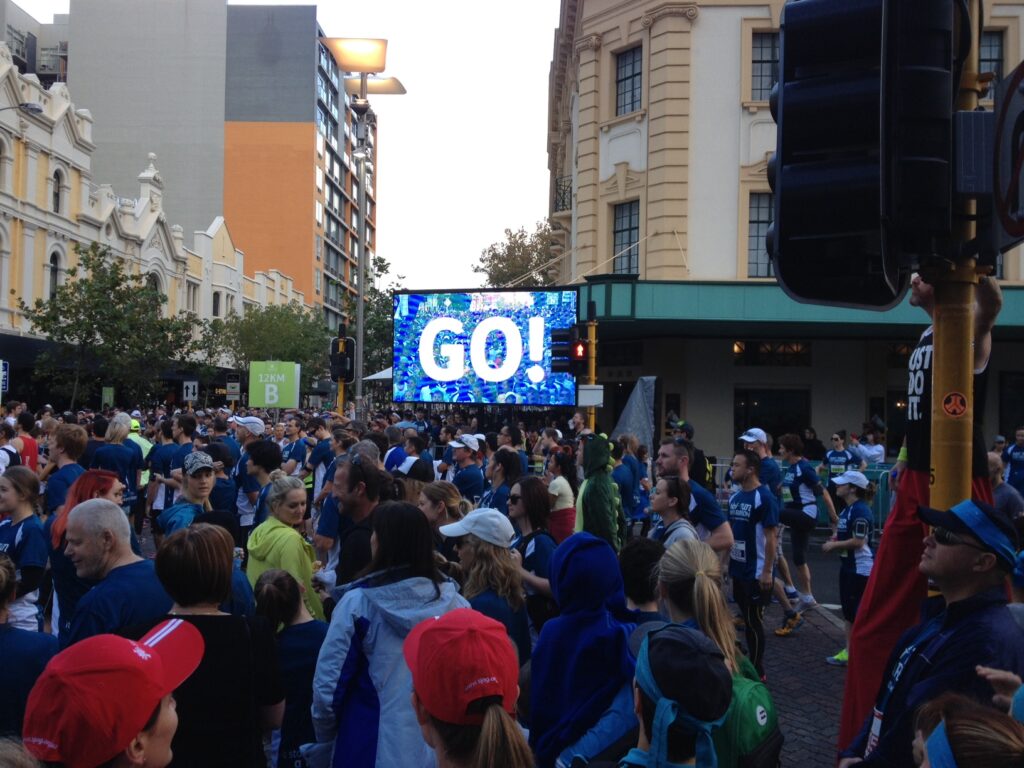
In Australia, we have a vibrant events scene and we can host outdoor events throughout the year, thanks to our sunny climate. Concerts, community fairs, music gigs, fun runs, golf tournaments, racing days – guests at any of these outdoor events are expecting to see and hear all the action. If you are hosting an outdoors event, your guests want to enjoy the atmosphere and be able to watch the action at the same time. Many visual options, including TVs, projectors and LCD video walls, may not suitable for outdoor events as they are not weatherproof, meaning it can be difficult to see the screen in full sunlight (unless the TV is commercial-grade). In addition, they can require a lot more time, effort (and cost) to set up. So what is the solution? The mobile LED screen. Easy to transport A trailer LED screen is literally just that – an outdoor LED screen mounted on the back of a trailer. Rather than having to build an LED screen on-site for an event, the trailer LED screen allows you to simply hitch it on the back of a vehicle and drive it to the event location. These mobile LED screens vary in size from one provider to the next and can be mounted on trailers and vehicles of all sizes. Being easy to transport, trailer screens make it very easy to deliver and set up the screen for your event, saving you time and money in labour charges. Versatile and Durable Being mounted on a trailer, you would hope that the LED screen is durable to withstand all the bumps and bends of the roads during transit- well, they are! They are designed to withstand reasonable impact both during transportation and whilst operational, making them durable and quite robust. As such, the trailer LED screen is ideal for hosting outdoor events in a variety of locations, including school ovals, car parks, piazzas, foreshores, public parks, and more. Being on a trailer, you can even have the screen in one location at the start of an event, such as the start line for a fun run, and move it to another location, such as the finish line, after a few hours. Operational in Full Sunlight or in Rain Trailer LED screens are outdoor rated, meaning they can withstand a substantial amount of impact from the elements. A quality mobile LED screen should be glare-resistant so you can still see the images on the screen clearly and brightly, even when in full sunlight. Being so versatile, these screens are ideal for numerous outdoors events and can be used year round, come sun or rain. When you look to hire a screen, make sure you choose a qualified and reputable provider whose screens are properly IP-rated (outdoor-rated) so you can ensure your event can go ahead without a hitch. More Engagement Outdoor digital displays generate huge amounts of interest. Whether it’s broadcasting a live sports event or displaying a live camera feed from a special ceremony, mobile LED screens have a huge impact on guests – they can have an experience that they couldn’t have elsewhere. Being big and bright, they draw a lot of attention which also makes them ideal for use as social media walls. Displaying twitter feeds and live updates from other social media platforms, they generate huge engagement from guests who can tweet about the event using event-specific hashtags – which is great PR. Income Potential Big and bright, LED screens have incredible visibility and easily attract attention from guests and passers-by. A trailer LED screen at an event can project live video feeds, television commercials, branded videos, corporate messaging, sponsor logos and more. The screen can be positioned in locations that cannot easily accommodate other visual options and advertising mediums, making them incredibly attractive for advertisers and sponsors alike. The cost for hiring a mobile LED screen can be easily outweighed by potential advertising revenue and the value of customer engagement. Value-Adding The trailer LED screen is time-efficient, cost-effective and can have a positive, lasting impression on your guests which is why it is such an attractive option for event organisers. If you are looking to hire a trailer LED screen for your next outdoor event, make sure you choose your provider wisely. The benefits of having a such a screen at your event are only as value-adding as the quality of the screen itself. Although two LED screens might look the same and have the same specifications, the actual quality of the image, colour reproduction and viewing experience can be drastically different. Make sure you do your research when hiring a mobile LED screen, a good quality screen can add incredible value to your event – and your company. Contact our friendly team today for more information on our quality screens.
What is the Difference Between a Plasma TV, LCD TV and LED LCD TV?

Whether you need a TV for your home, want to hire a TV for an event, or are hosting a corporate presentation, you will need the right TV to suit your purpose. Options include plasma TVs, LCD TVs and LED LCD TVs. But with all the jargon, it’s confusing. And it can be difficult to know which screen type is best for you. But fear not! Here, we have deciphered the lingo and explained the true differences for you! Plasma TV Screens Truth be told, plasma TVs are old technology. Samsung, LG and Panasonic stopped producing plasmas in 2013/2014. So, if you are looking to hire a TV screen for an event, we wouldn’t recommend hiring a plasma – LCDs and LED LCDs are the way to go. How Do They Work? Essentially, the plasma TV consists of cells and inside each cell are two glass panels. A neon-xenon gas is injected and sealed within the gap between the glass panels. When using a plasma TV, the gas generates red, green and blue light which creates an image on the TV screen. Key Features Pro – Flat and thin Pro – Good colour accuracy and saturation Pro – Cheaper than LCD or LED TV screens Con – Not as bright as LCD or LED screens Con – Use more energy compared to LCD and LED screens Con – Shorter display life-span Con – Screen-burn of static images Con – Not suitable for rooms with ambient light (screen glare) Con – Heat generation due to the burning of phosphors (gas) LCD TV Screens You will likely be most familiar with these TV screens – you may even have one in your home, courtesy of JB Hifi or Harvey Norman. LCD screens are still popular both for household and commercial use. However, not all TVs are created equal. The type of LCD screen in your home (a ‘domestic’ or ‘consumer’ screen) should be different from the type of LCD screen used for events, digital signage, or corporate applications (for these applications you would need a prosumer, semi-commercial or commercial screen). So, keep this in mind when buying or hiring your LCD screen – make sure it suits your purpose. How Do They Work? LCD stands for ‘liquid crystal display.’ It consists of two layers of polarizing film and a layer of liquid crystals between the two films. These liquid crystals allow light to filter through when electricity is passed through them. The crystals do not produce light on their own however – there are millions of fluorescent lights at the back of the screen to produce the light, as well as shutters to control the passage of light through the liquid crystals. Key Features: Light and thin Does not emit harmful electromagnetic radiation Fluorescent lights to illuminate the images on-screen More energy-efficient than plasmas Does not generate a true-black colour No burn of static images Cool running temperature LED LCD TV Screens Essentially, an LED LCD TV is a type of LCD screen, it just uses LEDs instead of fluorescent lights. Technically you could call them ‘LED-backlit LCD TV’ screens, but mostly they are called LED LCD screens. How Do They Work? LED stands for ‘light emitting diodes’. LED screens are very similar to LCD screens, except that they use LEDs instead of fluorescent lights to illuminate the images on screen. LEDs can be placed at the back of the screen (known an ‘backlit LEDs’ or ‘full array lighting’), or around the edges of the screen (known as ‘edge lighting’). Key Features: LEDs to illuminate the images on screen Slimmer than LCD screens Much better image quality Sharper colours and more realistic images Very energy-efficient Very bright Great viewing in a room with ambient light Produce a better picture than LCD screens So, this gives you an overview of the different kinds of TV screens commonly available. Whether you are considering buying one for your home or hiring a TV screen for an event, make sure it fits your purpose! What You Need to Remember Whether you are buying or hiring a TV screen, you need to consider: 1). where the TV will be located; 2). the amount of ambient light in the location; 3). what size of TV will be most suitable in the location; and 4). what content will be displayed. If you are wanting a TV for a professional or commercial application, we would recommend a semi-commercial or commercial TV screen. Think of it this way, you wouldn’t drive a Mini across the Nullarbor Desert – you’d need a good SUV which has the power and performance to ‘do the job.’ This analogy applies to TVs – don’t hire a ‘domestic’ TV screen if you are using it for a high-profile event or corporate presentation, trust us, the difference is obvious. For all your screen hire needs, contact the experts at Mega Vision today!
What is the Difference Between a Smoke Machine, Haze Machine and Low Fog Machine?

We are often asked what the difference is between these three special effects machines. So, we thought we’d put together this quick guide to explain what the key differences are & which machine you should use to create the effect you want. SMOKE MACHINE Smoke machines, also referred to as fog machines, use special fluid to produce thick white smoke to create an impressive visual effect. They often come with a remote control to control the volume of smoke produced as well as the duration. Smoke machines produce a similar effect to low fog machines, however the heated smoke produced by smoke machines rises and dissipates around the room, whereas low fog machines produce cold liquid particles and the fog remains close to the ground. Input: Smoke fluid Output: smoke Particles: smoke Use smoke machines for: shows, concerts, parties, spooky effects. Use when you want the whole room to be smoky, rather than just on the ground (low fog machine). LOW FOG MACHINE A low fog machine (similar to dry ice machines) produces a thick, opaque fog that remains close to the ground to create a ‘walking on air’ effect. Fog machines create this effect by cooling fluid to liquid particles. A low fog machine usually creates an intense burst of fog rather than a subtler diffusion, like a hazer. The effect of a low fogger is similar to that of a smoke machine– they are both designed to create a visual effect / impact, whereas a haze machine is designed to emphasize other effects such as lighting beams or lasers. There are two main types of low fog machine: A dry ice machine – this uses solid dry ice and water. It is a simpler method but does not have the length of run time as the cryogenic machine. A cryogenic machine – this uses a liquid such as liquid CO2 gas and has a longer-lasting effect. Input: Dry Ice or Liquid CO2 Gas (depending on the type of machine) Output: low lying fog Particles: liquid droplets Use a low fog machine for: weddings (especially for the first dance), shows, theatres, Halloween parties. HAZE MACHINE Haze machines, also known as ‘hazers,’ can be oil-based or water-based and are used to complement lighting effects. Haze machines create a fine and subtle haze with a long ‘hang’ time – the particles linger in the air for a long time before dissipating making them ideal for use at shows and concerts. They produce a much finer and less noticeable effect than smoke or low fog machines, as they are designed to emphasize the effects of lighting allowing you to see rays and patterns you would not normally see. Input: Haze fluid Output: fine mist / haze Particles: liquid droplets Use haze machines for: shows, concerts, festivals and anywhere you want to emphasize light effects or create a misty atmosphere. Perfect for when you don’t want the thick, opaque effect of a smoke machine or low fog machine. For any of these machines, there is a big difference between the cheaper versions and the professional-grade machines. If you want a quality and reliable performance at your event, make sure you go for the latter. This does not necessarily mean that you need to pay more, but you will definitely get better value for money. Professional-grade machines usually have a continual automatic cycle, meaning that they can operate continually, without needing to stop. For more information on smoke, low-fog or haze machine hire, contact our friendly team today.